Source Yoga Vest Options for Gym, Fitness, and Yoga Sessions
Find 30 Yoga Vest listings tailored for gym workouts, fitness training, and yoga practice. Compare features like quick-drying fabric, breathable materials, and customizable logos to select the right active wear for your needs.
Key considerations
Products List


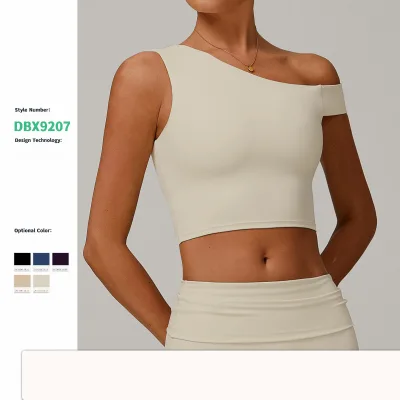
Fixed Chest Cushion Half High Neck Short Sports and Fitness Vest for Women
$4.00 - $6.00
MOQ: 200 Pieces




Comprehensive Sourcing Guide
Yoga Vest Sourcing Guide
Sourcing yoga vests requires a nuanced understanding of the intersection between athletic performance and aesthetic design. These garments serve as essential components of activewear, designed to provide support, breathability, and freedom of movement during high-intensity workouts, gym sessions, and yoga practices. Buyers must navigate a market where product attributes vary significantly, ranging from basic polyester blends to specialized nylon-spandex mixes with added features like chest pads or high-waist designs. The core keyword "Yoga Vest" encompasses a broad spectrum of items, including sports bras, fitness vests, and physiological underwear, each with distinct functional requirements.
The procurement process is further complicated by the diversity of supplier capabilities and customization options available. Many manufacturers offer OEM services, allowing for customized logos, specific colorways, and tailored sizing ranges. However, this flexibility introduces complexity in quality control and specification verification. Buyers need to establish clear technical requirements early in the sourcing process to ensure that the final product meets both performance standards and brand identity. Understanding the observed listing signals and technical specifications is crucial for making informed decisions that align with target market demands.
Product Scope and Observed Listing Signals
The current market landscape for yoga vests reveals a wide range of product types and material compositions. Observed listings indicate that products are primarily categorized as vests, bras, or suits, with usage focused on fitness, gym, and yoga activities. Material composition varies, with common fabrics including polyester, spandex, nylon, and blends thereof. Some products feature specific design elements such as quick-drying properties, breathability, and body-shaping capabilities. The presence of features like chest pads in high-intensity gym yoga sports vests highlights the need for buyers to distinguish between general fitness wear and specialized support garments.
Color and pattern options are diverse, with plaid patterns and solid colors like white, pink, blue, and black being observed. Sizing ranges from S to 2XL, with some suppliers offering specific size sets like S, M, L, or M. Customization is a significant factor, with many suppliers offering customized logos and OEM services. Buyers should note that while customization is available, it may impact lead times and minimum order quantities. The observed product names, such as "Active Wear" and "Physiological Underwear," suggest a broad application scope, requiring buyers to clarify the intended use case to select the appropriate product specifications.
Technical Specifications to Verify
Verifying technical specifications is critical to ensuring product quality and performance. Buyers should confirm the exact material composition, as fabrics like polyester/spandex and nylon/spandex offer different levels of stretch, durability, and moisture-wicking properties. The presence of features such as quick-drying and breathable fabrics is essential for high-intensity activities, while body-shaping features may be more relevant for aesthetic-focused products. Sizing accuracy is another key area, with variations in size ranges (S-2XL vs. S M L) indicating potential inconsistencies in fit across different suppliers. Buyers must request detailed size charts and sample garments to verify fit and comfort.
Additional technical details, such as closure types, pocket styles, and care instructions, also play a significant role in product functionality. For instance, drawstring closures and back pockets may be desirable for certain fitness applications, while machine washable fabrics are a practical requirement for activewear. The inclusion of chest pads in some yoga vests adds a layer of support but requires verification of pad placement and security. Buyers should also confirm packaging formats, such as polybags or cartons, as these can impact shipping costs and product protection. Clear communication of these specifications with suppliers is essential to avoid discrepancies in the final product.
Compliance and Safety Documentation
Compliance and safety documentation are vital for ensuring that yoga vests meet regulatory standards and consumer safety expectations. While specific certification statuses are not universally observed, buyers should inquire about OEKO-TEX or similar textile standards that verify the absence of harmful substances in fabrics. This is particularly important for products intended for close skin contact, such as physiological underwear or sports bras. Buyers must request test reports or certificates from suppliers to confirm compliance with relevant safety regulations in their target markets.
In addition to material safety, buyers should verify that suppliers adhere to quality management systems and ethical manufacturing practices. This includes ensuring that production processes do not involve harmful chemicals or unsafe working conditions. Documentation related to product labeling, care instructions, and material composition should also be reviewed to ensure accuracy and compliance with local labeling laws. By prioritizing compliance and safety, buyers can mitigate risks associated with product recalls, legal liabilities, and brand reputation damage.
Cost Drivers and Commercial Terms
Cost drivers for yoga vests include material costs, customization requirements, and order quantities. The use of specialized fabrics like nylon/spandex blends or features such as chest pads can increase production costs. Customization options, including logo printing and specific colorways, may also add to the overall price. Minimum order quantities (MOQs) vary, with some suppliers requiring as few as 50 pieces, while others may have higher thresholds. Buyers should negotiate terms that align with their inventory needs and budget constraints, considering the trade-offs between cost and flexibility.
Commercial terms, such as payment methods, shipping arrangements, and lead times, are also significant factors in the procurement process. Buyers should clarify these terms with suppliers to avoid unexpected costs or delays. Packaging formats, such as polybags or cartons, can impact shipping costs and product protection, so buyers should consider these details when calculating total landed costs. By understanding the various cost drivers and commercial terms, buyers can make informed decisions that optimize their procurement strategy and maximize value.
Supplier Qualification and Quality Control
Supplier qualification is a critical step in the sourcing process, requiring buyers to assess suppliers' capabilities, experience, and reputation. Buyers should verify suppliers' production capacity, quality control processes, and ability to meet customization requirements. Requesting samples and conducting factory audits can provide valuable insights into supplier reliability and product quality. Buyers should also check for any past issues or complaints related to product defects, delivery delays, or communication problems.
Quality control measures should be established to ensure that products meet specified standards. This includes implementing inspection protocols at various stages of production, from raw material sourcing to final packaging. Buyers should define clear acceptance criteria for product quality, including fabric integrity, stitching quality, and fit accuracy. Regular communication with suppliers and timely feedback on any issues can help maintain product quality and build a strong supplier relationship. By prioritizing supplier qualification and quality control, buyers can ensure consistent product quality and minimize risks.
Long-Term Procurement Checks
Long-term procurement checks involve continuous monitoring of supplier performance and market trends. Buyers should regularly review supplier performance metrics, such as on-time delivery rates, product quality consistency, and responsiveness to issues. This helps identify potential problems early and allows for proactive management of supplier relationships. Buyers should also stay informed about changes in material costs, regulatory requirements, and consumer preferences, which can impact sourcing strategies.
Building a diversified supplier base can mitigate risks associated with single-source dependencies. Buyers should consider developing relationships with multiple suppliers to ensure supply chain resilience and flexibility. Regularly reviewing and updating procurement policies and procedures can help adapt to changing market conditions and improve operational efficiency. By implementing long-term procurement checks, buyers can maintain a competitive edge and ensure sustainable sourcing practices.
FAQs
What materials are used for yoga vests?
Yoga vests are typically crafted from polyester and spandex blends or nylon and spandex fabrics. These materials provide essential stretch and durability for fitness activities. The fabric ensures the garment maintains its shape during movement while offering comfort against the skin for extended wear.
What sizes are available for yoga vests?
Standard sizing ranges from Small to 2XL, with specific models offering S, M, L, and XL options. Buyers can request custom sizes to fit specific demographics. This flexibility ensures that both individual consumers and bulk purchasers can find appropriate fits for various body types.
Can I customize the logo on yoga vests?
Yes, customized logos are available for yoga vests. Manufacturers accept OEM orders to print or embroider specific branding. This service allows businesses to create unique apparel for gyms, yoga studios, or corporate fitness programs, ensuring brand visibility and professional presentation for end users.
What features do yoga vests offer?
Yoga vests feature quick-drying and breathable properties to manage moisture during intense workouts. They are designed to support body shape and provide comfort. Some models include chest pads for high-intensity activities, while others focus on simple, breathable construction for general fitness and yoga practice.
What is the minimum order quantity for yoga vests?
The minimum order quantity is typically 50 pieces, though some suppliers may accept orders as low as one piece. Bulk orders up to 5000 pieces are common for wholesale transactions. This range accommodates both small boutique orders and large-scale commercial procurement needs.
Where are yoga vests manufactured?
Yoga vests are primarily manufactured in China, with specific production hubs located in Jiangsu province. This region is known for its textile industry capabilities. Buyers can source products directly from these origins to ensure quality control and efficient logistics for international shipping.